

By Akhil Velvia | Wedding Photographer & Visual Storyteller, Calicut
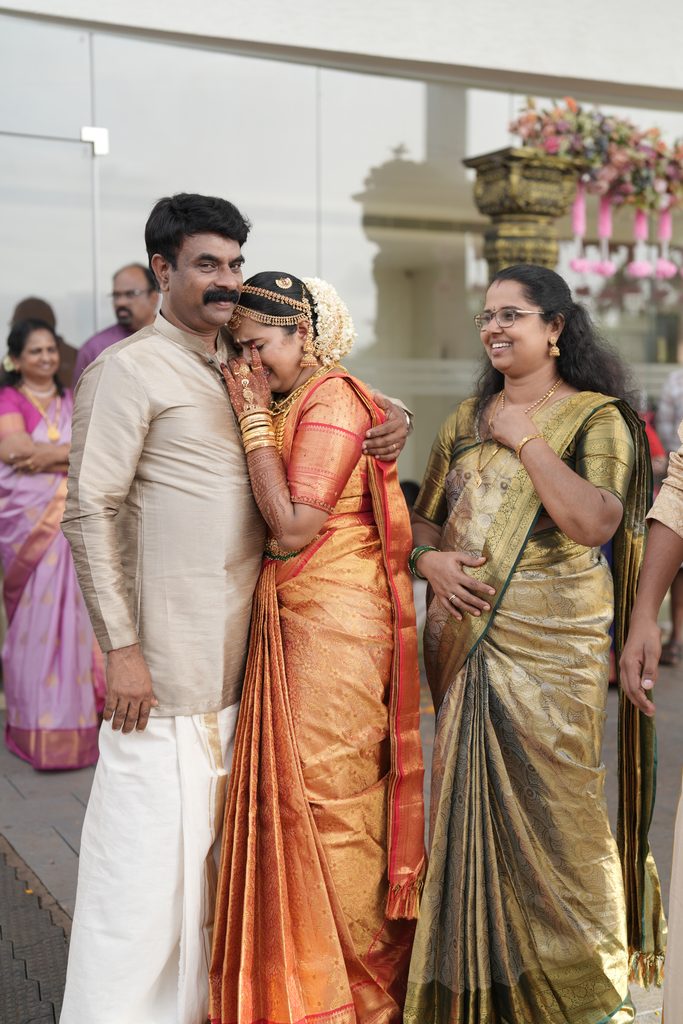
There is something interesting about weddings. Everyone spends months planning the moments that will happen on the stage, but some of the most emotional moments happen when nobody is looking at the stage.
A bride might be adjusting her jewellery while her mother quietly fixes a strand of hair that has been out of place for years. A father might be standing near the entrance, watching guests arrive, pretending to be occupied with something else. Somewhere behind the main celebration, a groom might be sharing a nervous laugh with his closest friends.
These moments rarely make it into the wedding schedule.
They are not announced by an emcee. There is no music telling people when to feel something. Nobody asks the family to look towards the camera. They simply happen. And often, they stay with us much longer than the photographs everyone was waiting for.
After witnessing hundreds of weddings, I have started to look at celebrations differently. The stage tells us what a wedding looks like. Everything happening around it tells us what the wedding actually feels like.
That difference is where meaningful wedding photography begins.
The Stage Is Where Everyone Looks. The Story Is Somewhere Else.
A wedding stage is designed to attract attention. The lighting, flowers, decorations, outfits and arrangements are all carefully considered. Every detail is planned to create a beautiful visual experience. There is nothing wrong with that. These details deserve attention, especially when families have spent months preparing for the occasion.
But a wedding is not simply a collection of beautifully arranged elements.
It is a meeting point for different lives, different relationships and different emotions. Two people are beginning a new chapter, while two families are adjusting to a change that is difficult to describe.
A bride’s family is welcoming someone new while quietly preparing to let someone go. A groom’s family is celebrating the arrival of another person into their lives. Friends are laughing, parents are remembering, and relatives are meeting after years. All of this happens simultaneously.
The stage might hold the central ceremony, but the emotional story is happening across the entire venue.
I have seen fathers watching their daughters from a distance, mothers becoming unusually quiet during the final preparations, and friends laughing loudly because nobody wants to acknowledge how emotional the day actually feels.
These are not secondary moments. They are the wedding.
The Moments Nobody Rehearses
One thing I have learned through wedding photography is that the most meaningful expressions are rarely rehearsed. People can practise their smiles. They can decide how to stand for a portrait, where to look during a ceremony and how to pose when the photographer asks them to.
But genuine emotion has its own timing.
A mother adjusting her daughter’s wedding outfit for the fifth time is not thinking about composition. She is simply doing something she has probably done throughout her daughter’s life. The gesture is familiar. The occasion is different.
A father checking whether everything is arranged properly might appear occupied with small responsibilities. He may be speaking to relatives, coordinating arrangements or making sure guests are comfortable.
But occasionally, he stops.
For a few seconds, he looks towards the stage. His daughter is dressed and ready. The people around him are celebrating, but something in his expression changes.It is a quiet moment. Sometimes he smiles. Sometimes he looks away.
A photograph of that expression can communicate more than a hundred carefully arranged portraits. This is why candid wedding photography in Calicut is not simply about photographing people without asking them to pose. It is about recognising what is happening beneath ordinary gestures.
The photographer has to understand people, not just cameras.
A Wedding Is Also an Emotional Transition for Families
We often describe weddings as the beginning of a relationship between two people. That is true, but there is another side to the experience that deserves more attention. A wedding is also a transition for everyone connected to the couple.
Parents are adjusting to a new family dynamic. Siblings are experiencing a change in their everyday relationship. Friends are watching someone they grew up with enter a completely different phase of life.
Even relatives who have travelled long distances carry their own memories into the celebration.
Think about a traditional Kerala wedding. The preparations might begin early in the morning. The smell of fresh flowers fills the room. Jewellery is being arranged, outfits are being checked, and someone is constantly asking whether everything is ready.
There is movement everywhere. In one room, the bride’s friends are helping her get ready. In another, an elderly relative is waiting patiently for the ceremony to begin. Outside, the family is welcoming guests.
And somewhere in between, a grandmother might be sitting quietly, watching everything unfold.
She may not be part of the main photographs. She may not even realise that someone is noticing her. But her presence carries years of family history.
For a photographer, understanding this emotional environment changes the way a wedding is documented. It becomes less about collecting individual photographs and more about understanding the relationships connecting them.
Why Modern Weddings Need More Than Beautiful Pictures
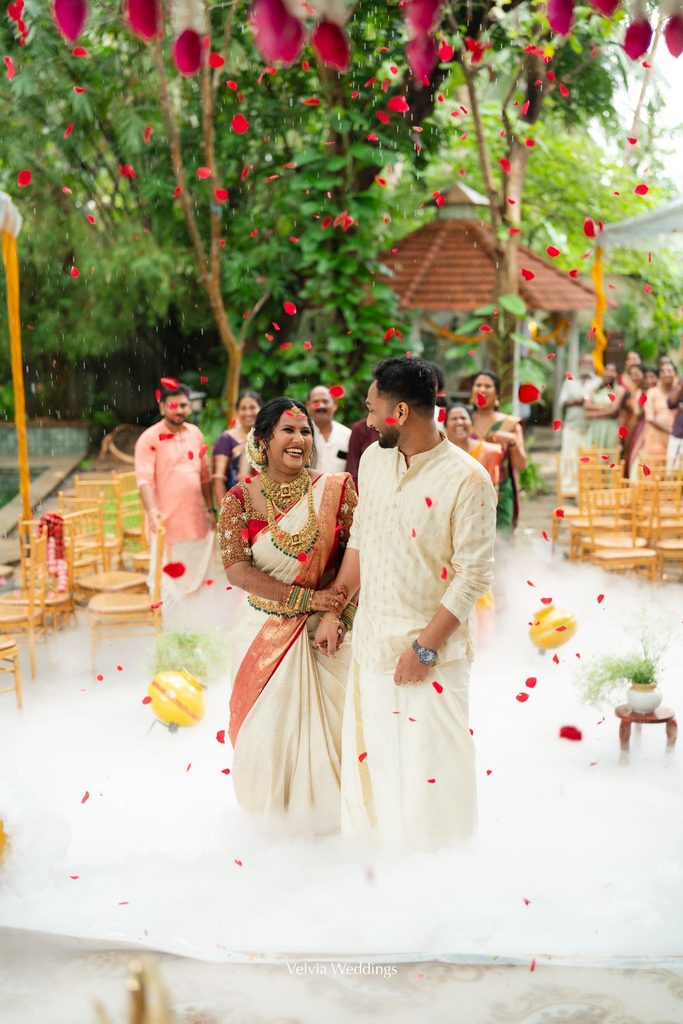
Wedding culture has changed considerably. Couples are more visually aware than ever before. Pinterest boards, Instagram reels, destination wedding references and editorial photography have influenced how people imagine their celebrations.
Brides save references for their makeup, jewellery, poses and pre-wedding shoots. Grooms arrive with ideas about their wedding portraits and cinematic entrances. Some couples know exactly what kind of visual experience they want. This is an interesting development. It shows that people increasingly see weddings as personal expressions of identity.
A wedding is no longer just about following a familiar format. Couples want the celebration to reflect who they are, what they value and how they see their relationship. But there is a small contradiction here. The more we plan how a wedding should look, the easier it becomes to overlook how it actually feels. Sometimes, people become so concerned about getting the perfect photograph that they forget to experience the moment itself.
A bride might be thinking about whether her veil is positioned correctly while her closest friends are standing beside her. A groom might be waiting for his cinematic entrance while his father is quietly watching from the audience.
These details are not competing with the planned photographs. They add another dimension to them.
Beautiful wedding photography should respect both. There is a place for carefully composed portraits, dramatic lighting and cinematic frames. There is also a place for photographs that are slightly imperfect but emotionally honest. The strongest wedding stories understand the value of both.
The Photographer’s Real Responsibility Is to Notice
Photography equipment has become incredibly advanced. Modern cameras can perform remarkably well in low light. Autofocus systems can track moving subjects with impressive accuracy. Editing software offers almost unlimited creative possibilities. Technology has made it easier to produce technically beautiful photographs. But technical ability does not automatically create emotional understanding.
A camera can recognise a face. It cannot understand why a father keeps looking towards his daughter during the ceremony. A lens can isolate a subject. It cannot decide whether the nervous smile between two siblings deserves more attention than the grand stage arrangement. That decision comes from the person behind the camera.
For me, wedding photography has always involved observation.Before thinking about how a photograph should look, I try to understand:
- what is happening around me.
- Who is standing quietly in the corner?
- Who has travelled a long distance to be here?
- Who is trying to hide their emotions?
- Which relationships are revealing themselves through small gestures?
These questions influence the way I approach a wedding. Sometimes, the best decision is not to interrupt a moment. If a father is emotional, asking him to look towards the camera might change the expression completely. If two friends are laughing naturally, asking them to repeat the moment rarely produces the same photograph. There are situations where direction is necessary. Portraits need composition, lighting and guidance.
But there are other situations where the photographer should simply step back. Knowing when not to interfere is an important part of visual storytelling.
The Beauty of an Unplanned Moment
One of my favourite things about wedding celebrations is how quickly the atmosphere can change. A few minutes before the ceremony, everything might feel intense. People are checking arrangements, the bride is preparing, and the groom’s friends are making jokes to reduce the tension. Then something unexpected happens. A close friend says something funny. Someone remembers an old childhood incident. The bride suddenly starts laughing. The groom forgets his nervousness for a moment.The entire atmosphere changes.
These small interruptions often become some of the most genuine moments of the day.There is a particular beauty in photographing people when they are not performing for anyone.
A mother laughing with her sisters. A grandfather falling asleep in a chair after an early morning ceremony. Children running between tables while adults try to keep them organised. Even the quieter moments have their own character. An empty wedding hall after the celebration, with a few flower petals scattered across the floor. A half-finished cup of tea on a table. Wedding shoes left near the entrance. A family member collecting belongings after everyone has gone. These details might seem insignificant during the event. Years later, they can become surprisingly meaningful. Because photographs do not always need to show the most important person in the room. Sometimes, they need to show the atmosphere that surrounded that person.
Social Media Shows the Highlight. Life Remembers the Details.
There is no denying the influence of social media on wedding culture. A wedding can now have its own visual identity before the event even begins. Couples plan their announcement reels, pre-wedding videos, outfit reveals, highlight films and Instagram posts. A well-made cinematic wedding film can tell a beautiful story in a few minutes. It can bring together music, movement, expressions and carefully selected scenes. But a wedding is much larger than the final edit.
Instagram usually shows us the most visually striking parts of a celebration.
The beautiful entrance. The coordinated outfits. The emotional exchange of rings. The dramatic couple portrait. The perfectly timed celebration. What we rarely see is everything surrounding those moments. The bride sitting quietly before getting dressed. The groom asking his friends whether everything is ready. The parents discussing arrangements. The small disagreements, the laughter, the waiting and the unexpected conversations. These details may not always make it into a 30-second reel. But they are often what people remember most clearly. This is where wedding storytelling becomes important.
A photograph should not exist only because it looks good on a screen. It should also carry something that makes sense when someone looks at it ten or twenty years later. Trends will change. Editing styles will evolve. Social media platforms will introduce new formats. But the feeling of seeing your parents together on your wedding day will not become outdated. That is the difference between creating content for a moment and creating photographs that belong to a lifetime.
Why Candid Photography Requires Emotional Awareness
Candid photography is often misunderstood as simply taking photographs without posing people. In reality, it requires a different kind of attention. A candid wedding photographer must understand movement, anticipate expressions and recognise relationships as they unfold. The photographer needs to know when a moment is developing, when it is about to disappear and when stepping closer might disturb it.
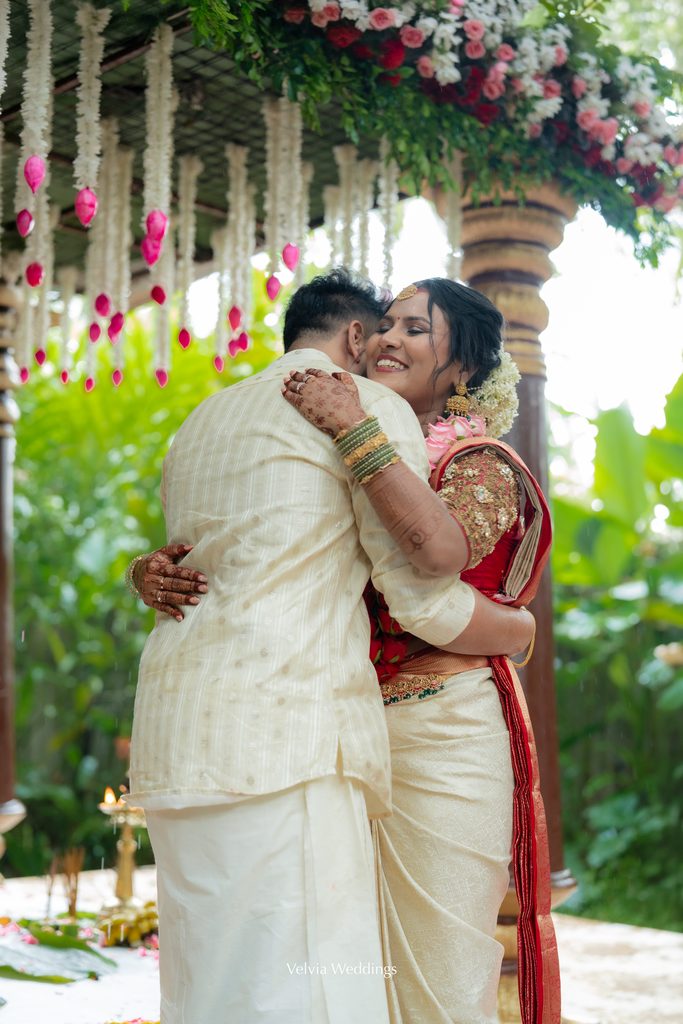
Consider a bride meeting her father just before the ceremony. There may be no dramatic tears. No long embrace. No cinematic music. Perhaps he simply checks her outfit, says something ordinary and smiles. But the bride knows what that small interaction means. Her father knows it too. An outsider might see a simple exchange.
Someone who understands the relationship sees something much deeper.
This is what makes candid wedding photography in Calicut meaningful. It is not about collecting random expressions or filling memory cards with hundreds of photographs. It is about recognising the emotional significance of ordinary interactions. And that requires patience. Not every photograph needs to be dramatic. Not every emotional moment needs tears. Sometimes, the most powerful expressions are almost invisible. A slight change in someone’s face can say more than an elaborate gesture.
The Importance of What Happens Between Two People
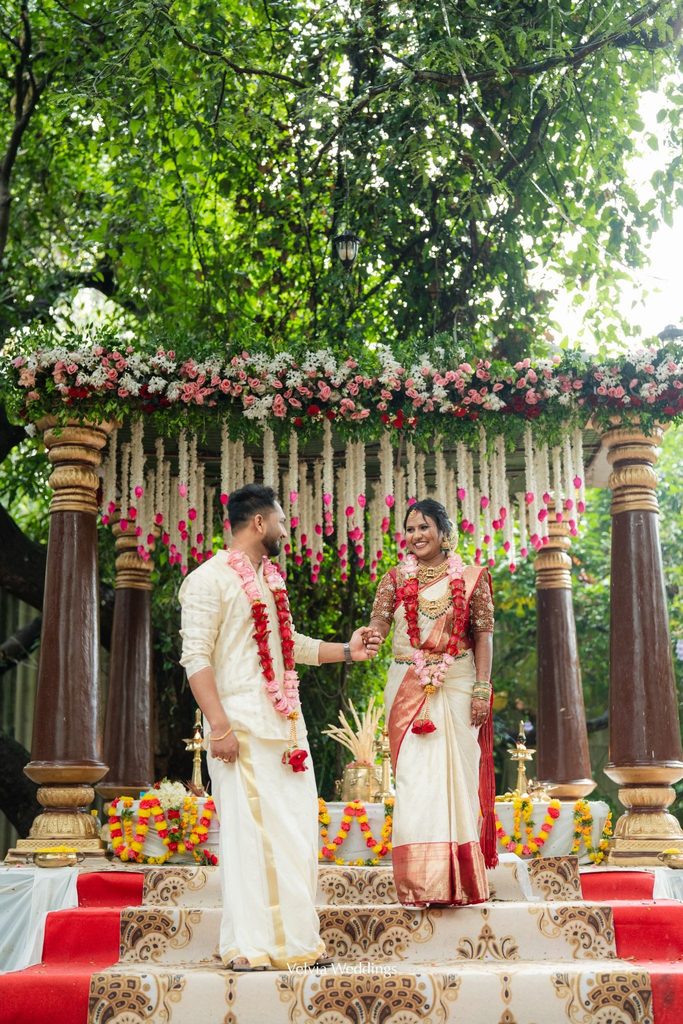
We often focus on the couple during a wedding, and naturally, they deserve that attention. But a wedding photograph becomes more interesting when we understand the people surrounding the couple.
A groom looking at his bride is beautiful.
A groom looking at his mother while she watches him get married tells another story.
A bride walking towards the stage is an important photograph.
Her brother standing behind her, quietly trying to hold back his emotions, adds another layer.
A couple’s first dance might be visually stunning.
Their friends cheering from the side make the moment feel alive.
The wedding is not just about two people standing together. It is about the network of relationships that brought them to that day.
This is one reason I believe wedding storytelling should go beyond the conventional sequence of portraits, rituals and group photographs.
A meaningful wedding story should give space to different people. The couple, their parents, siblings, friends, grandparents and even the people working quietly behind the scenes.
Everyone contributes something to the atmosphere. Not everyone needs to be in the centre of the frame to belong in the story.
What Makes Luxury Wedding Photography More Meaningful?
Luxury is often associated with grand venues, elaborate decorations, expensive outfits and exceptional production. These things can certainly contribute to a beautiful celebration. But I think there is another way to understand luxury, especially when it comes to photography. It is the ability to give importance to details that other people might overlook.
A carefully composed portrait. A naturally unfolding interaction. A photograph that respects the character of the people in it. A wedding film that feels personal rather than assembled from familiar visual effects.
For me, luxury wedding photography in Kerala should not be defined only by how impressive the final photographs look It should also be defined by how thoughtfully the entire experience is documented.
There should be an understanding of the couple’s personality, their cultural background, their families and the atmosphere they want to create. A traditional Kerala wedding, a contemporary celebration in a luxury venue and an intimate destination wedding may require completely different visual approaches.
The photography should respond to the people and the occasion, rather than forcing every wedding into the same aesthetic. Premium work is not necessarily about doing more. Sometimes, it is about knowing what deserves attention and what should be left untouched.
What Remains After the Wedding Is Over?
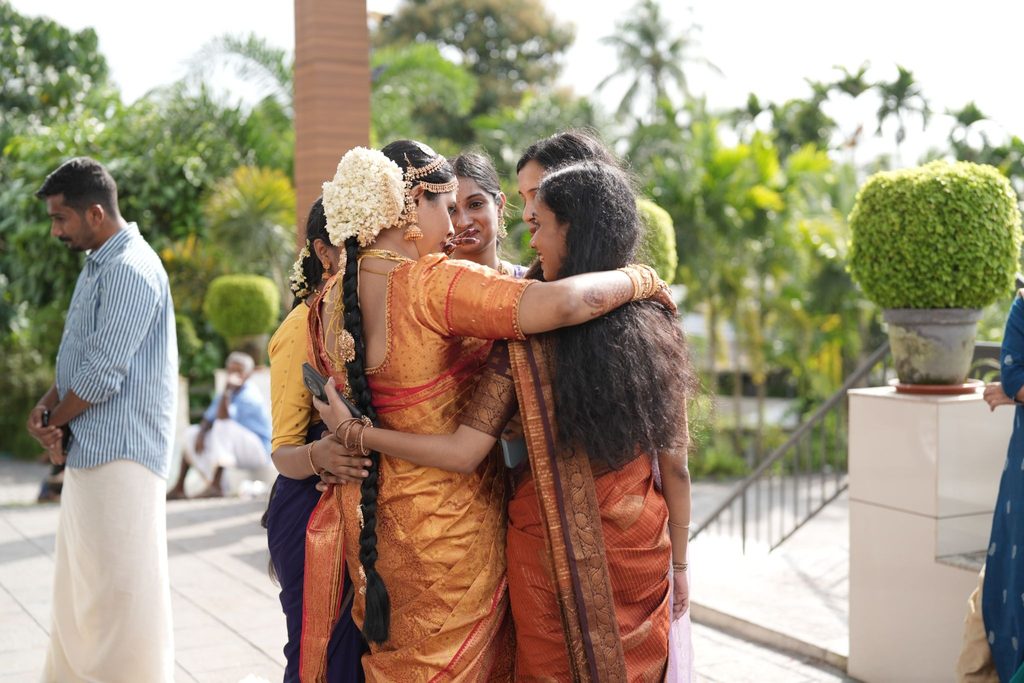
Every wedding eventually comes to an end. The music stops. Guests return home. Decorations are taken down. The venue becomes quiet again. The clothes are carefully stored. The jewellery returns to its boxes. The people who travelled from different places begin their journeys back. The photographs and films remain.
At first, couples might revisit the portraits, the highlights and the photographs they want to share with friends. But as time passes, their relationship with those photographs can change.
A bride might discover a photograph of her mother watching her from behind the crowd.
A groom might notice his grandfather sitting quietly during the ceremony.
Someone might find an old photograph of friends laughing in the background of a frame that was originally selected for an entirely different reason. And suddenly, that photograph becomes important.
Perhaps the person in the photograph is no longer around. Perhaps the relationship has changed. Perhaps the couple has children of their own who now want to know what their parents’ wedding day looked like. This is when the value of wedding photography becomes clearer.
It is no longer about how the photograph performed on social media or how many people appreciated the wedding film. It becomes a way of revisiting people, relationships and versions of life that cannot be recreated. The most valuable photographs are sometimes the ones you did not know you needed.
My Perspective on Wedding Storytelling
As a wedding photographer and creative entrepreneur from Calicut, I have come to believe that the quality of a wedding story depends on more than the quality of its individual photographs.
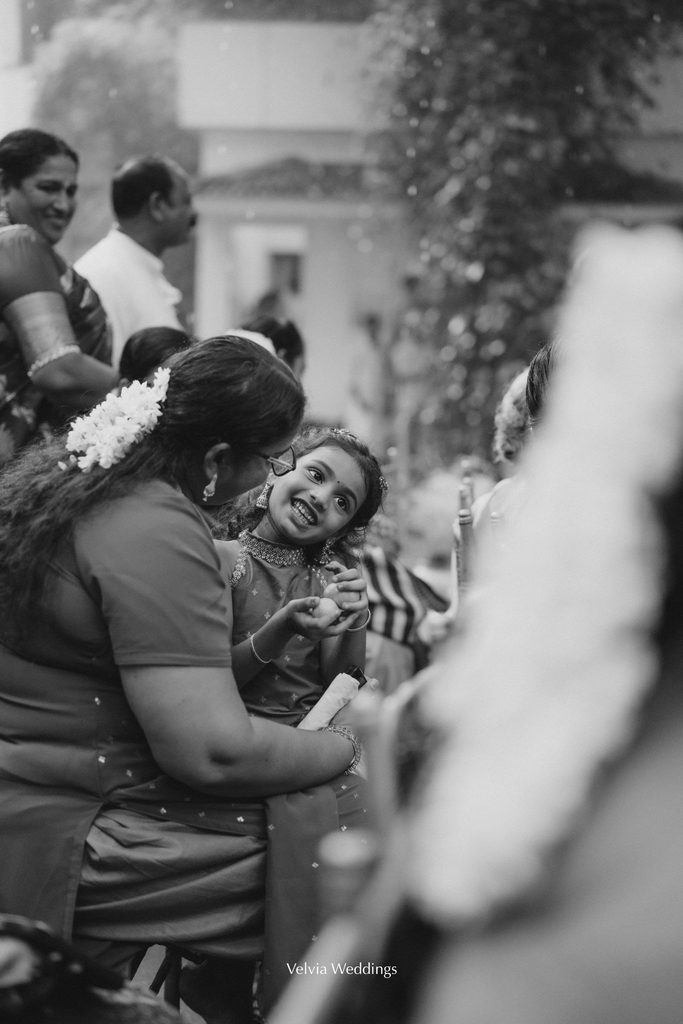
It depends on the way those photographs connect.
A beautiful portrait tells us how someone looked.
A candid interaction tells us how someone felt.
A cinematic wedding film brings together movement, sound and atmosphere.
But when these elements are thoughtfully connected, they begin to communicate something larger: the personality of a couple, the character of their families and the emotions that shaped their celebration. That is the direction I want my work to represent.Not simply documenting the events in the order they happened, but understanding the people behind them.
At Velvia Weddings, this belief influences the way we approach wedding photography, cinematic wedding films and the complete visual experience of a celebration. We value the grand moments, but we also pay attention to the quieter ones.
The moments that happen before the ceremony. The expressions that appear between rituals. The people standing just outside the frame.
Because a wedding deserves more than a collection of beautiful photographs. It deserves a story that feels like the people who lived it.
Some of the Most Meaningful Moments Are Never Announced
Perhaps that is the most interesting thing about weddings.
The moment everyone has been waiting for might happen on the stage, under beautiful lights, surrounded by hundreds of people.
But somewhere behind the crowd, a father is watching his daughter.
A mother is adjusting an outfit she has carefully chosen.
Two childhood friends are laughing about something nobody else understands.
And a couple, after months of preparation, finally finds a quiet second to look at each other.
Nobody announces these moments.
Nobody plans them.
They simply happen, often disappearing before anyone realises their importance.
I think that is what makes wedding photography worth doing. Not just being present when everyone is looking, but noticing what happens when they aren’t. Because sometimes, the most important part of a wedding is happening just outside the frame.